

How to Use a Coffee and Espresso Maker
A espresso and coffee machine produces shots of water that is extremely pressurized. These are pushed through finely crushed, tightly packed espresso beans. The result is a drink that's intensely flavored with a thick layer of crema over.
Some machines use grounds or pods and allow you to control how strong your beverage is, while others can also steam milk to make cappuccinos and lattes. There's even an appliance that can be used on the stovetop like a moka pot.
1. Guide to Buying
The most effective espresso and coffee maker isn't just a device that pours hot water over grounds--it's an appliance which can allow you to prepare high-quality beverages from the comfort of your home. The wide range of options available in this category can be overwhelming However, there are a few things you need to keep in mind when selecting the best machine for your requirements.
The first step is to learn the various methods of brewing. Some machines utilize gravity to filter the water through the grounds while others brew with the aid of a pump. The differences in these approaches can influence the final flavor profile as well as cost.
The most advanced espresso and coffee makers are typically the most expensive. They may come with digital controls or adjustable settings. It is important to consider how often you'll use your espresso maker and coffee maker, and whether the extra costs are worth it.
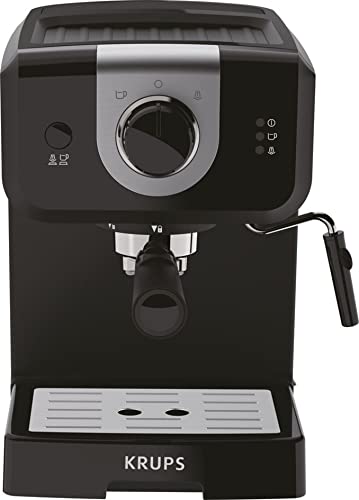
Semiautomatic models are offered at a lower cost and provide an alternative between manual and automation. These machines require manual labor, like grinding and tapping. However they are much less expensive than fully automated models and offer the brewing process to be more precisely controlled.
2. Instructions
Utilizing a coffee or espresso maker is a straightforward process. The most important thing is to choose the correct ingredients and then prepare the machine. Ideally, you should use fresh coffee beans that have been ground using a burr mill specifically for espresso. The grinder creates an extremely fine, uniformed powder that releases the finest flavors from the bean. You can use a steam wand for capspuccinos and lattes.
Before you can make any drinks, you will need to turn on the espresso maker and allow it to preheat. This can take as long as one hour based on the size of the machine and is necessary for even heating. This process is accelerated by pulling a blank that is, to run the machine without grounds in the portafilter. This will not only heat your cup but also flush out the group head to avoid the buildup of a dirty brew.
Once your machine is heated, add ground coffee into the portafilter. The next step is to tamp the grounds in order to pack them tightly and evenly. You can buy the tamper from Amazon or at many espresso shops. After you have finished you can switch on the espresso machine and place a small cup of water under each spout. To brew the espresso, simply move the control panel to the espresso position. This activates the micro-switches, which start the pump and the heating chamber, pushing hot water through the grounds and out of the spouts.
3. Ingredients
A coffee maker and espresso maker can create various beverages. They are the most versatile brewing devices. They can be used to make both drip and espresso drinks.
Espresso is a liquefied drink that is made by pushing hot water under high pressure through finely ground coffee beans in a short amount of time. Espresso is typically thicker and sweeter than regular coffee. It's also a great way to enjoy flavors that are more complex than those found in drip coffee, but it's not for all people.
The best espresso is dark-roasted and fairly coarsely ground to maximize flavor extraction. Vigil recommends that you "bloom your coffee" prior to making. This means pouring hot water over the ground and letting it sit for 20-30 second (releases flavors). After you've added the rest of the hot water, you'll utilize the pressure of the machine to push the water through the grounds.
Certain machines are more effective at this than others, which is the reason certain espresso and coffee makers are known for being a little tricky to use. With a little practice, you'll make your own espresso that's cafe-quality in the blink of an eye.
There are other methods to make espresso without a machine. For instance you can make use of a siphon. This fancy glass device makes use of vapor pressure to soak grounds in hot water. But this can be an expensive and time-consuming process.
4. Preparation
Make sure that your espresso maker is plugged in and preheated before you use it. espresso machines uk should maintain the same temperature throughout the brewing process so that you get the maximum amount of flavor. It's also an excellent idea to "bloom" the coffee grounds, or sprinkle a small amount of hot water over them, for around 30 seconds. This will remove any carbon dioxide that is in the beans and help the taste of your espresso.
When the brew process has finished, remove the portafilter. You can use your espresso maker to brew traditional single or double shots of espresso, or use steam or a milk frother wand to craft cafe favorites such as cappuccinos and lattes. Add a little sugar to your espresso shot to make a sweeter, more delicious drink.
You can also use your espresso maker to make the coffee you want but you'll need to use a filter because most models do not have the capacity to pour a full pot. The key to good pot coffee is starting with freshly roasting, high-quality beans that are ground to the right consistency.
You can also try different kinds of water. Hard water is rich in minerals which can lead to mineral build-up, which results in a less palatable brew. Water that is soft or filtered can reduce this buildup.